Share Post
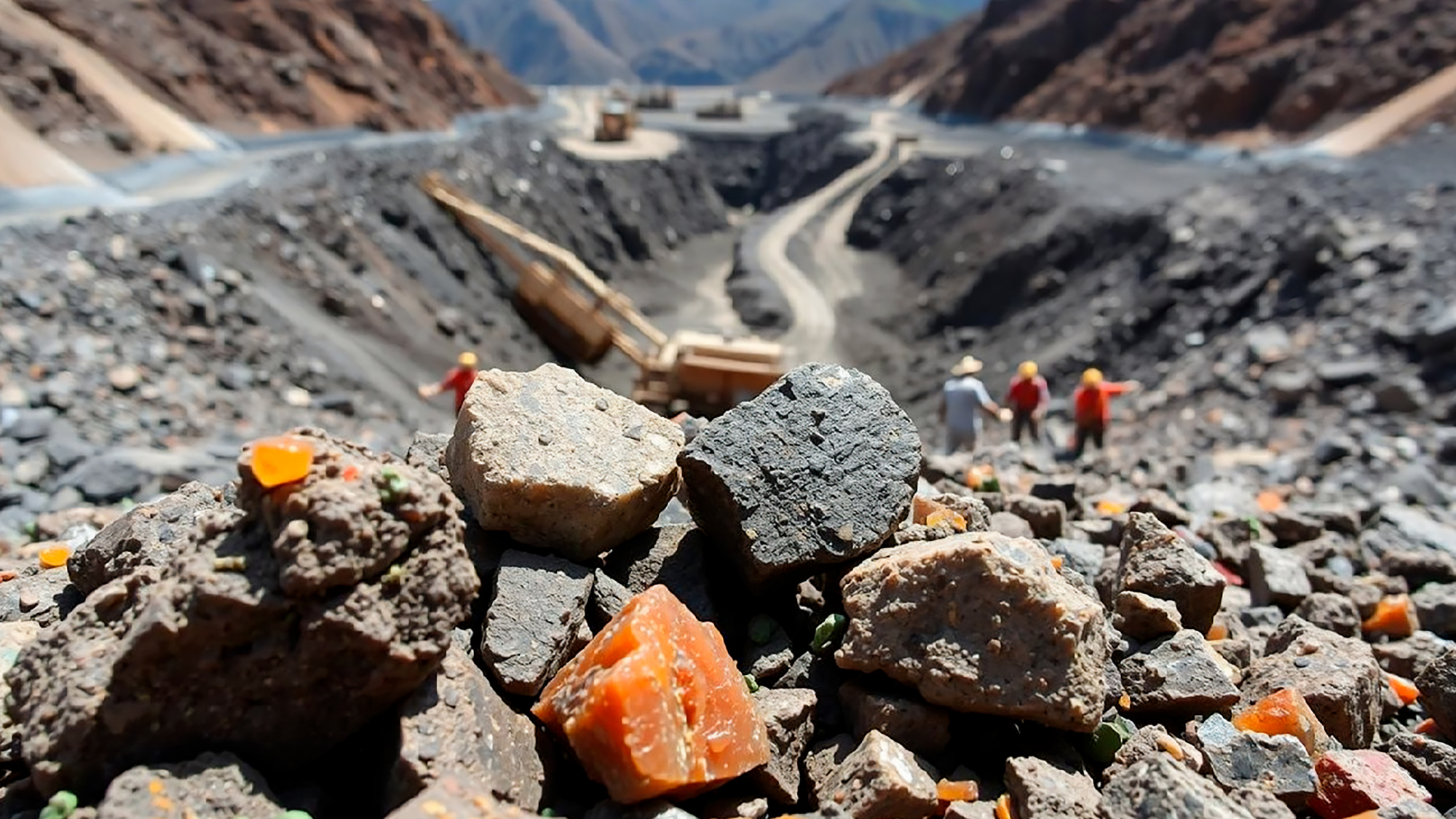
New federal funding will support lithium, cobalt, battery recycling, and advanced materials projects as the United States expands domestic production and manufacturing capacity.
The United States is making another major investment in its critical minerals strategy, committing $500 million to help expand domestic production of battery materials and strengthen the nation’s manufacturing supply chain.
The funding, announced by the U.S. Department of Energy (DOE), will support seven companies developing projects focused on lithium, cobalt, battery recycling, and advanced battery components. The initiative is part of a broader effort to reduce America’s reliance on imported critical minerals while increasing domestic production for industries such as energy storage, electric vehicles, defense, and advanced manufacturing.
Building A More Secure Supply Chain
Critical minerals have become increasingly important to the U.S. economy because they are essential for manufacturing batteries, electronics, renewable energy systems, and many defense technologies.
As global demand continues to grow, the federal government is investing in projects that can expand America’s ability to mine, process, refine, and recycle these materials domestically. Strengthening these supply chains is expected to improve long-term economic resilience while reducing dependence on overseas suppliers.
The Department of Energy received hundreds of applications for this latest round of funding, selecting projects that officials believe offer the greatest opportunity to strengthen key segments of the battery materials industry.
Supporting Lithium, Cobalt, and Battery Recycling
Several projects receiving funding focus on increasing the domestic availability of materials that are critical to modern battery production.
Among the largest awards is funding for a new lithium processing facility that will extract and produce lithium carbonate for use in battery manufacturing. Another project will support construction of what is expected to become the nation’s only cobalt refinery, helping establish additional domestic processing capacity for a mineral used in batteries, electronics, and defense applications.
The investment also includes support for companies expanding battery recycling technologies. These facilities will recover valuable minerals from used batteries and manufacturing byproducts, allowing critical materials to be returned to the supply chain instead of being discarded.
Additional funding will help advance new battery technologies, including improved battery chemicals and alternative anode materials designed to enhance battery performance and efficiency.
Expanding Opportunities Across American Industry
The continued growth of domestic critical minerals production is expected to create opportunities throughout the industrial sector.
New mining operations, mineral processing facilities, refineries, recycling plants, and advanced manufacturing sites require a wide range of skilled professionals, including equipment operators, electricians, mechanics, instrumentation technicians, engineers, maintenance specialists, environmental professionals, laboratory technicians, and logistics personnel.
As additional projects move from planning into construction and production, demand for experienced industrial workers is likely to continue growing.
Investing in the Future of Manufacturing
Federal investments like these reflect the increasing importance of building secure domestic supply chains for the materials that power modern technology and infrastructure.
From mining and mineral processing to battery manufacturing and recycling, every stage of the supply chain plays an important role in supporting America’s energy future and industrial competitiveness.
These investments represent more than economic development—they also create long-term career opportunities for skilled workers across mining, manufacturing, construction, logistics, and heavy industry. As domestic production continues to expand, the need for qualified professionals who can build, operate, and maintain these facilities will remain essential to the industry’s success.
Share Post