In mining, cement manufacturing, and other heavy industries, equipment failures can affect far more than production. Behind every reliable operation is a workforce capable of keeping machinery running and responding when problems arise.
In heavy industry, even a brief equipment failure can create challenges that extend throughout an entire operation. A malfunctioning conveyor, an unexpected machinery breakdown, or a delayed repair can interrupt production schedules, affect material movement, and place additional pressure on employees.
While the immediate concern may be getting equipment back online, the true cost of downtime often reaches beyond the repair itself. Lost productivity, overtime expenses, delayed shipments, and additional maintenance demands can quickly turn a single equipment issue into a larger operational setback.
For industrial employers, minimizing downtime requires more than reliable machinery. It also depends on having qualified employees who can recognize problems, perform maintenance, and respond effectively when unexpected issues arise.
The Ripple Effect of Equipment Downtime
Industrial operations rely on interconnected equipment and processes. When one component stops functioning, the effects can extend well beyond that individual machine.
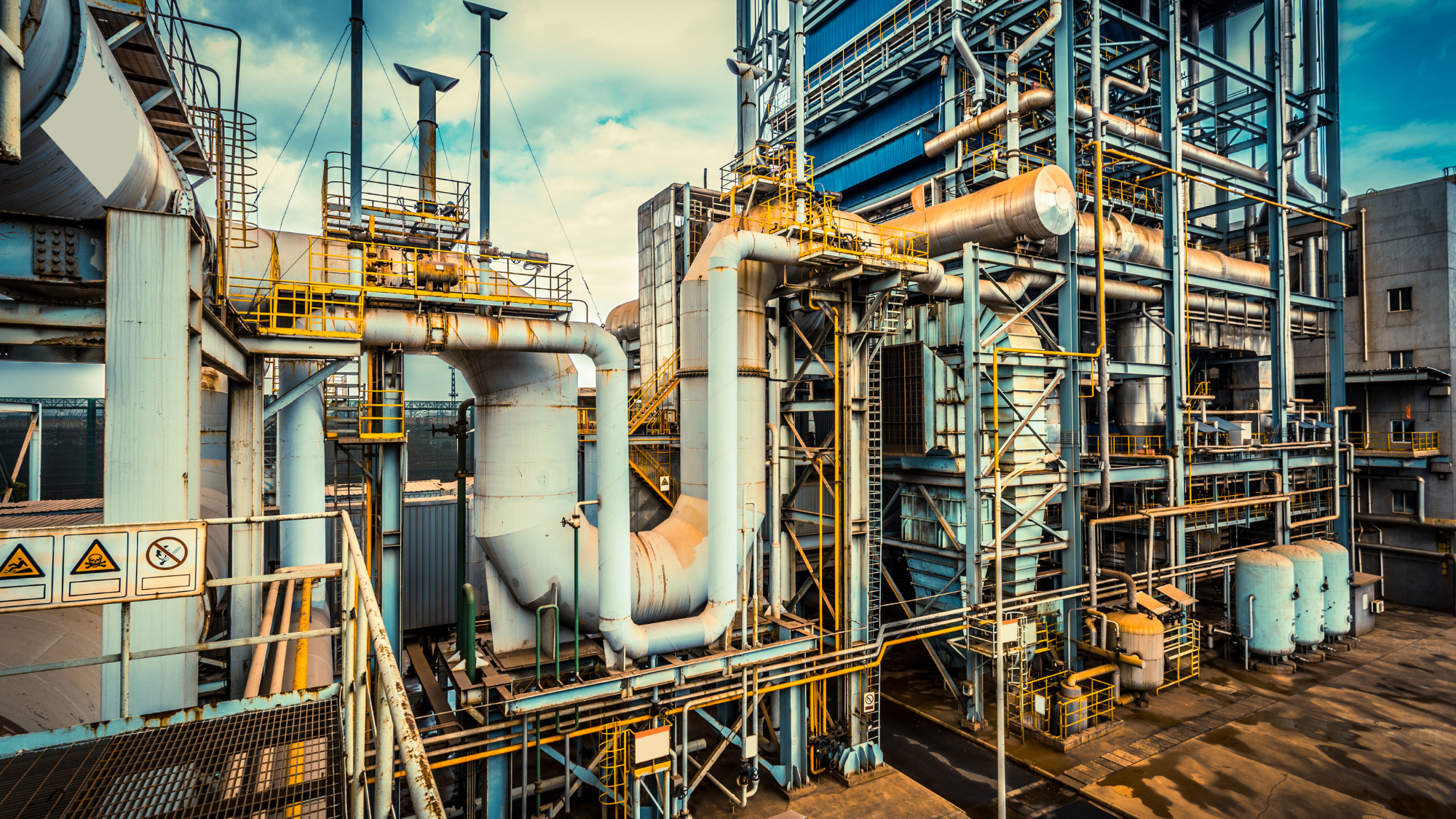
In a cement plant, a conveyor malfunction may interrupt the movement of raw materials and affect downstream production. At a mining operation, an equipment breakdown can delay hauling, loading, or processing activities. In manufacturing, an unexpected production line shutdown may disrupt output and create scheduling challenges for other departments.
These interruptions can lead to missed production targets, additional labor expenses, and delays in fulfilling customer orders.
Even after equipment is repaired, facilities may need additional time to restart operations, reorganize schedules, and recover lost production.
The financial impact of downtime therefore involves more than replacement parts and maintenance labor. It includes the broader consequences of interrupted operations.
Why Preventive Maintenance Matters
One of the most effective ways to reduce unplanned downtime is through consistent preventive maintenance.
Routine inspections, scheduled servicing, and timely repairs can help identify developing equipment problems before they result in unexpected failures.
Maintenance teams may monitor wear on mechanical components, inspect electrical systems, check lubrication levels, and evaluate equipment performance according to established maintenance procedures.
Operators also play an important role by reporting unusual sounds, vibrations, leaks, or changes in machinery behavior.
These observations can provide valuable information to maintenance personnel and help facilities address concerns before they become more serious.
However, preventive maintenance requires more than a schedule. It depends on having employees with the knowledge, training, and availability to perform the work correctly.
When maintenance teams are understaffed or stretched across too many responsibilities, routine tasks may be delayed, increasing the risk of equipment problems going unnoticed.
Skilled Maintenance Workers Are Essential to Reliability
Industrial maintenance has become increasingly technical as facilities incorporate more advanced equipment and automated systems.
Today’s maintenance professionals may need experience with mechanical systems, industrial electrical components, hydraulics, welding, motors, conveyors, and computerized controls.
Diagnosing an equipment issue often requires understanding how multiple systems interact rather than simply replacing a damaged component.
For employers, finding workers with the appropriate technical qualifications can be challenging, particularly when specialized experience is required.
An experienced industrial mechanic, electrician, or maintenance technician can contribute significantly to equipment reliability through accurate troubleshooting, effective repairs, and knowledge of facility operations.
Maintaining adequate staffing in these positions helps ensure that routine maintenance and unexpected repairs receive the attention they require.
The Importance of Industrial Support Crews
Although skilled maintenance technicians are critical, they aren’t the only employees who contribute to reducing downtime.
General laborers, material handlers, equipment cleaners, and other industrial support workers help maintain the conditions necessary for maintenance and production teams to perform their responsibilities.
In cement plants, mines, and manufacturing facilities, industrial housekeeping crews may remove accumulated material, clear debris, maintain access to equipment, and support authorized maintenance activities.
Keeping work areas organized and accessible can make inspections and repairs easier while helping employees identify potential hazards.
Support workers may also assist with moving materials, preparing work areas, and completing other tasks that allow specialized personnel to focus on technical responsibilities.
These contributions may not always be reflected in production reports, but they can have a meaningful impact on overall operational efficiency.
When Staffing Gaps Become Operational Risks
Equipment reliability and workforce availability are closely connected.
When an industrial facility lacks sufficient maintenance personnel, existing employees may be required to manage larger workloads, respond to multiple equipment concerns, or work additional hours.
Over time, these demands can create scheduling challenges, increase fatigue, and make it more difficult to maintain consistent preventive maintenance practices.
The absence of dependable support workers can also affect productivity by shifting routine tasks onto employees whose time is needed for specialized work.
For employers, workforce planning should account for both daily operational requirements and the possibility of unexpected equipment problems.
This may include maintaining appropriate maintenance coverage, developing cross-trained employees where qualifications permit, and preparing staffing plans for scheduled shutdowns or periods of increased activity.
Having the right combination of technical expertise and operational support can help facilities respond more effectively when challenges arise.
Building a Workforce That Supports Equipment Reliability
Reducing downtime is not solely the responsibility of a maintenance department. It requires coordination between operators, technicians, supervisors, and support personnel.
Clear communication allows employees to report equipment concerns promptly, while effective scheduling helps ensure maintenance activities are completed without unnecessary disruption.
Employers can also strengthen long-term reliability by investing in technical training, mentorship, and knowledge transfer.
Experienced maintenance professionals often possess valuable knowledge about a facility’s machinery, recurring equipment issues, and operating conditions. Sharing that knowledge with developing employees can help preserve expertise and prepare future technicians.
For industrial employers, recruiting qualified workers and developing existing employees should be viewed as complementary strategies.
Keeping Production Moving Starts With the Right People
Equipment is one of the largest investments in many industrial operations, but its performance depends heavily on the employees responsible for operating, inspecting, and maintaining it.
A well-staffed maintenance department can help identify developing problems and respond to unexpected failures. Dependable support crews help maintain accessible work areas and assist with the tasks that keep operations organized.
Together, these employees contribute to a more reliable and productive facility.
For companies in mining, cement manufacturing, and other heavy industries, workforce planning should be considered an important part of equipment reliability, not simply a response to vacant positions.
Because when equipment stops, the cost isn’t measured only in repairs. It’s measured in everything the operation can no longer accomplish until the right people get it running again.