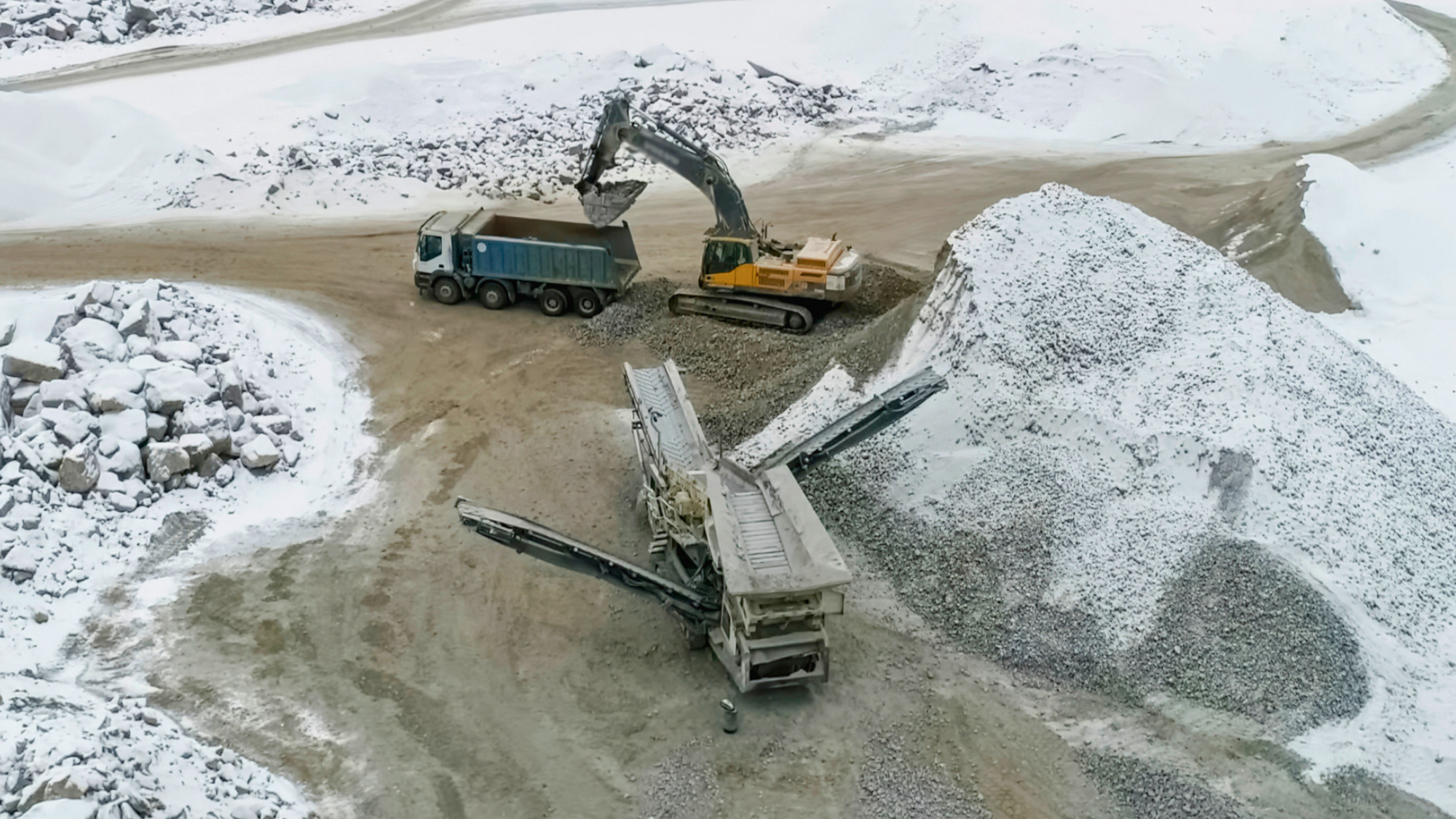
From mining and cement manufacturing to construction and industrial production, colder weather introduces new challenges for employees and equipment. Preparing for seasonal conditions helps keep operations safe, efficient, and productive.
Industrial operations don’t always slow down when winter arrives. Across the country, employees in mining, cement manufacturing, construction, and other heavy industries continue working through freezing temperatures, strong winds, snow, and changing weather conditions.
Unlike traditional indoor workplaces, many industrial jobs require employees to spend extended periods outdoors or move between indoor and outdoor environments throughout their shifts. As temperatures fall, these conditions can introduce additional challenges that affect worker safety, equipment performance, and daily operations.
For employers and employees alike, understanding how winter changes the work environment is an important part of maintaining a dependable and safety-conscious workforce.
Cold Weather Creates New Worksite Challenges
Industrial facilities are already demanding environments, but winter can introduce hazards that require additional attention.
At mines, quarries, cement plants and manufacturing facilities, employees may encounter icy walkways, slippery equipment surfaces, frozen ground and reduced visibility during periods of rain, snow or fog. Strong winds and cold temperatures can also affect employees working on elevated platforms or in exposed areas.
Cold conditions may reduce flexibility and hand dexterity, making it more difficult to handle tools, operate controls, or perform tasks requiring precise movements.
For employees performing physically demanding work, recognizing these changes and adjusting work practices accordingly is essential.
Employers should evaluate weather-related hazards, maintain accessible walking surfaces, and ensure employees understand the precautions required for their specific work environments.
Proper Winter PPE Makes a Difference
Personal protective equipment remains essential year-round, but winter conditions may require additional layers and cold-weather protection.
Depending on the work environment, employees may need insulated gloves, weather-resistant outerwear, appropriate footwear, and thermal clothing that can be worn safely with required PPE.
However, staying warm should never interfere with the effectiveness of protective equipment.
Loose clothing can create hazards around moving machinery, while bulky gloves may limit an employee’s ability to safely operate certain tools or controls. Additional layers must also be compatible with required safety equipment.
Employees should select clothing appropriate for their tasks and follow their employer’s PPE requirements.
The goal is to maintain warmth and comfort without compromising mobility, visibility, or protection.
Shorter Days and Reduced Visibility
Winter also brings fewer daylight hours, which can affect industrial facilities operating early-morning, evening, and overnight shifts.
Employees may begin or end their workdays in darkness, increasing the importance of adequate lighting and awareness of surrounding equipment and activity.
In facilities where forklifts, haul trucks, loaders and other mobile equipment operate, reduced visibility can make it more difficult to identify potential hazards.
Proper lighting, functioning equipment lights, designated pedestrian routes and clear communication all contribute to safer operations.
Employers should also consider how changing daylight conditions affect outdoor inspections, maintenance activities, and other tasks that depend on visibility.
Cold Weather Can Affect Equipment Performance
Winter preparation isn’t limited to employees. Industrial machinery and equipment may also require additional attention as temperatures change.
Cold conditions can affect batteries, hydraulic systems, lubricants, tires, and other components used in heavy equipment and industrial vehicles.
In some environments, freezing temperatures may also create challenges involving water lines, exposed equipment, and material handling systems.
Routine inspections and preventive maintenance can help identify concerns before they lead to equipment failures or production interruptions.
Operators and maintenance teams should follow manufacturer recommendations for cold-weather operation and report unusual equipment behavior promptly.
For industrial facilities that depend on consistent production, seasonal equipment preparation can play an important role in minimizing unexpected downtime.
Preparing Employees Before Winter Arrives
One of the most effective ways to address seasonal hazards is through proactive planning and communication.
Employers can incorporate winter-related topics into safety meetings, toolbox talks, and jobsite inspections. Discussions may include cold stress, changing ground conditions, appropriate PPE, equipment inspections, and reduced visibility.
Employees should also understand the signs of cold-related illnesses, including hypothermia and frostbite, and know how to report concerns.
Cold stress is not limited to extreme winter temperatures. Wind, moisture, and prolonged exposure can increase the risk of cold-related health problems, even in conditions above freezing.
New employees may require additional guidance, particularly if they have limited experience working outdoors or in heavy industrial environments.
Providing clear expectations and appropriate training helps employees better understand the demands of their work environment and prepare for changing conditions.
Keeping Industrial Operations Moving Year-Round
Mining, cement manufacturing, construction, and other heavy industries rely on employees who can adapt to changing worksite conditions.
Winter may bring additional challenges, but preparation, communication, and consistent safety practices help teams continue performing essential work.
For employers, this means evaluating seasonal hazards, maintaining equipment, and ensuring employees have the information and resources needed to perform their responsibilities safely.
For employees, it means remaining aware of their surroundings, following established procedures, and recognizing when changing conditions require additional precautions.
Winter readiness is built long before the first freezing morning. The steps taken to prepare equipment, address worksite hazards, and equip employees for changing conditions can make a meaningful difference when temperatures fall. In industries where production continues through every season, preparation isn’t simply a winter precaution, it’s part of keeping the operation running safely and reliably.