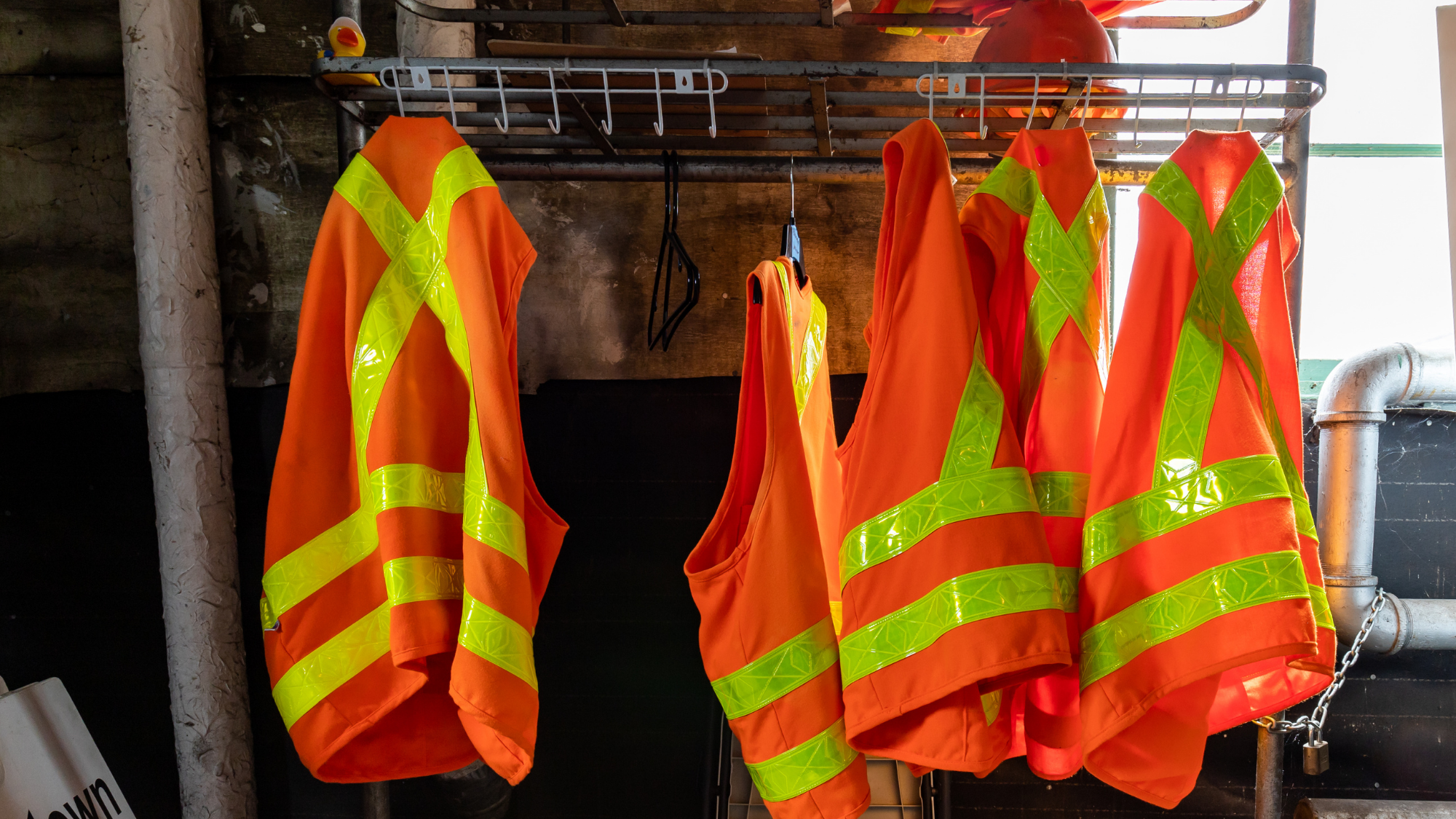
In mining, cement manufacturing and other heavy industrial environments, preparing employees for the realities of the job before their first shift can help establish safer habits, clearer expectations and a stronger workforce.
A new employee’s introduction to workplace safety shouldn’t begin when they step onto an active industrial site.
By that point, they’re already entering an environment filled with unfamiliar equipment, processes, terminology, hazards and expectations. For someone who has never worked in mining, cement manufacturing or another heavy industrial operation, simply understanding their surroundings can be overwhelming.
That’s why effective workforce preparation begins earlier.
Pre-jobsite safety training gives employees an opportunity to understand what they’re walking into before they’re expected to work in it. It can introduce fundamental safety expectations, demonstrate the realities of industrial work and establish from the beginning that safety isn’t simply a box to check during orientation; it’s part of the job.
Show Candidates the Reality of Industrial Work
A job description can tell an applicant that a position is physically demanding, dusty or outdoors. Reading those words and actually seeing the environment are two very different things.
Mining and cement operations can involve large mobile equipment, conveyors, elevated work areas, confined spaces, dust, noise, changing weather conditions and physically demanding tasks.
Candidates should understand those realities before arriving for their first assignment.
Photos and videos from actual industrial environments can be particularly useful during training. Instead of imagining what “heavy industrial environment” means, trainees can see examples of the equipment, terrain, PPE and working conditions they may encounter.
That exposure isn’t intended to discourage people from pursuing industrial careers. It’s about helping candidates make an informed decision about whether the work is right for them.
Someone who arrives knowing the job can be dirty, dusty and physically demanding is better prepared than someone discovering those conditions halfway through their first shift.
Introduce Safety Expectations Before Production Pressures Exist
Once employees reach an active operation, there is a lot to absorb.
They’re meeting supervisors and coworkers, learning where everything is located, understanding their responsibilities and adjusting to the pace of the operation. Adding completely unfamiliar safety concepts to that first-day information load can make an already demanding transition even more challenging.
Pre-jobsite training provides dedicated time to introduce important concepts without the distractions of an operating facility.
Depending on the position and work environment, preparation might address topics such as PPE, hazard recognition, respiratory protection, working at heights, confined spaces, lockout/tagout awareness and safe practices around industrial equipment.
Site-specific and task-specific instruction will still be necessary where required. Pre-jobsite preparation isn’t a replacement for it. Instead, it provides a foundation employees can build upon once they arrive.
Safety Training Also Sets Expectations
Good training doesn’t only explain what employees should do. It helps them understand why those expectations matter.
An employee should know from the beginning that wearing required PPE isn’t optional because a task appears simple. Procedures shouldn’t be bypassed because someone is in a hurry. Uncertainty should result in asking a question, not guessing.
Establishing those expectations before an employee begins working helps communicate something important about workplace culture: Doing the job safely is part of doing the job correctly.
That message is especially important for employees transitioning from industries where safety standards, equipment or working conditions may have been different.
Preparation Can Help Identify the Right Fit
Pre-jobsite training can benefit employers in another way: it gives candidates a clearer opportunity to evaluate the position.
Not everyone is comfortable working at heights. Not everyone wants to spend a shift performing strenuous physical labor. Some people may discover that working around large equipment, dust or industrial noise isn’t what they expected.
Finding that out during training is better than finding it out after an employee reaches the jobsite.
Realistic preparation can help align expectations on both sides. Employers gain workers who have a better understanding of the assignment, while candidates can decide whether they’re comfortable with the conditions before committing to the work.
That can make safety preparation part of a broader workforce strategy, not simply a compliance exercise.
Build Hazard Recognition Before Exposure
One of the most important skills an industrial employee can develop is the ability to recognize when something isn’t right.
Training can introduce employees to common hazards and reinforce the expectation that concerns should be reported rather than ignored.
For a new industrial worker, something an experienced employee immediately recognizes as a hazard may initially look ordinary. Developing awareness takes time, which is another reason training should begin early and continue throughout employment.
The objective shouldn’t be memorizing enough information to pass an assessment. It should be developing employees who look at their surroundings, think about risk and understand their responsibility within the safety process.
Safety Training Isn't a One-Time Event
Pre-jobsite preparation is the beginning of employee development, not the end.
Once workers enter the field, safety education should continue through appropriate site orientation, task-specific instruction, toolbox talks, refresher training, supervisor coaching and ongoing communication.
As employees take on new responsibilities, their training needs can change as well.
Someone who enters an operation as a general laborer may eventually move toward equipment operation, maintenance or leadership. Each step can introduce different responsibilities and hazards.
A strong safety culture grows alongside the employee.
Better Prepared Before Day One
Industrial employers put significant resources into recruiting people. Preparing those employees before they arrive at the jobsite helps protect that investment while establishing expectations from the beginning.
For ICR, that preparation is particularly important when introducing candidates to mining, cement and other demanding industrial environments. Our approach includes candidate vetting and industrial preparation designed to help employees better understand the expectations of the work before they reach an assignment.
Because the goal isn’t simply to get someone through the gate on their first day, it’s to send people to work with a clearer understanding of the environment, the expectations and the responsibility they have for working safely.