Share Post
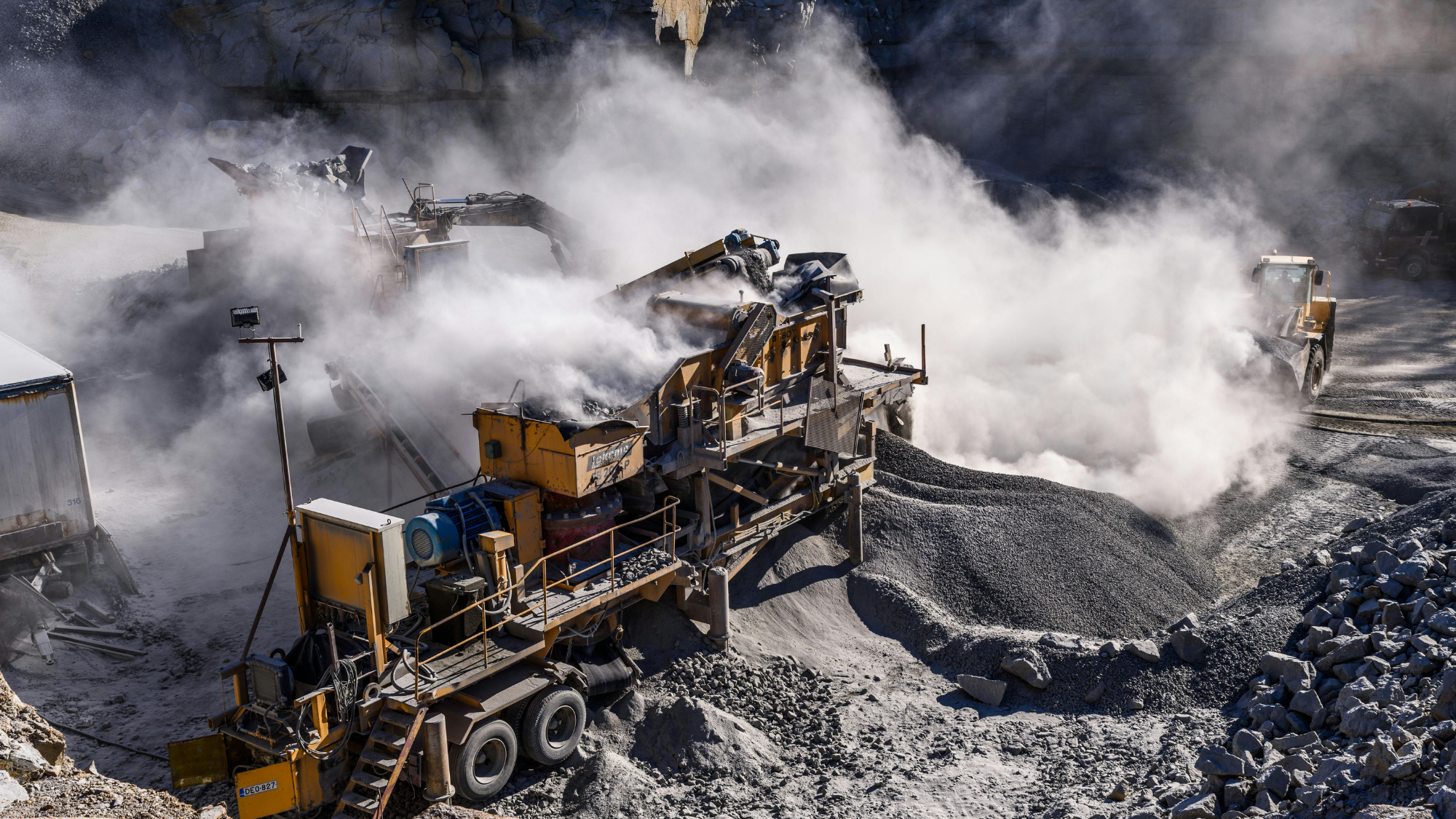
Managing dust at conveyor transfer points remains one of the biggest operational challenges in bulk material handling. Whether moving aggregates, cement, minerals, recycled materials, or agricultural products, uncontrolled dust can create safety hazards, increase maintenance costs, reduce equipment life, and impact air quality throughout a facility.
While many operations rely on powered dust collection systems, industry experts are increasingly emphasizing passive dust control as an effective first line of defense. By improving enclosure design and managing airflow naturally, facilities can significantly reduce airborne dust while minimizing energy consumption and ongoing maintenance requirements.
Let Airflow Do the Work
Passive dust control focuses on containing dust within the conveyor transfer enclosure rather than extracting it with fans or ventilation systems.
When a conveyor transfer point is properly enclosed and sealed, airflow slows as material moves through the loading zone. This allows suspended dust particles to settle back onto the conveyed material instead of escaping into the surrounding work environment.
Rather than relying on mechanical dust collectors, passive systems use thoughtful engineering to manage airflow, creating conditions where dust naturally remains inside the enclosure.
For many facilities, passive dust control serves as the foundation of an effective dust management strategy before additional suppression technologies are considered.
Improving Workplace Safety
Dust control is about more than keeping equipment clean—it plays an important role in protecting employee health.
In industries such as mining, cement manufacturing, aggregate processing, and material handling, workers may be exposed to respirable crystalline silica (RCS) and other fine airborne particles. Long-term exposure to these materials has been associated with serious respiratory illnesses, including silicosis, chronic obstructive pulmonary disease (COPD), and other occupational lung diseases.
Reducing airborne dust helps improve visibility, enhances air quality, minimizes housekeeping requirements, and supports compliance with workplace safety regulations.
Facilities that successfully control dust also create safer environments by reducing slipping hazards caused by accumulated material around conveyor systems.
Engineering Better Conveyor Transfer Points
Effective passive dust control begins with proper conveyor design.
Transfer point enclosures act as settling chambers where dust-laden air slows enough for particles to fall back into the material stream. Engineers can improve performance by optimizing enclosure dimensions, reducing unnecessary air movement, and creating sufficient space for dust to settle before material exits the transfer point.
Well-designed skirtboards and loading zones also help contain dust by preventing air from escaping around the moving belt.
Specialized sealing systems further improve performance by limiting gaps where air and dust can leak from the enclosure during operation.
Managing Air Instead of Fighting It
One of the most important principles of passive dust control is understanding how air behaves inside a transfer point.
As bulk material falls from one conveyor to another, it pulls surrounding air into the enclosure. If this induced airflow moves too quickly, fine dust particles remain suspended and eventually escape through openings around the conveyor.
Modern passive dust control systems are designed to slow and redirect this airflow using engineered internal components that encourage air circulation within the enclosure. These controlled air patterns allow fine particles to combine into larger particles that settle more easily back onto the conveyed material.
By managing airflow instead of simply trying to remove it, facilities can achieve substantial dust reduction with fewer moving parts.
Long-Term Operational Benefits
One of the greatest advantages of passive dust control is its simplicity.
Because these systems require little or no electrical power, operating costs remain low compared to traditional dust collection equipment. Fewer mechanical components also mean reduced maintenance requirements and improved system reliability over time.
Facilities that retrofit conveyor transfer points with properly engineered passive dust control often experience lower cleanup costs, less equipment wear, reduced downtime, and improved overall plant efficiency.
These operational improvements frequently produce a strong return on investment while helping companies maintain cleaner, safer workplaces.
Supporting Safer Bulk Material Handling
As industrial facilities continue focusing on workplace safety and operational efficiency, effective dust control remains an essential part of conveyor system design.
At ICR Staffing Services, we understand that successful industrial operations depend on both skilled employees and well-designed equipment. Whether working in mining, cement manufacturing, aggregate production, recycling, or other bulk material industries, employees benefit from facilities that prioritize engineering solutions that improve safety, reduce maintenance, and support long-term productivity.
Investing in smarter dust control technologies not only protects equipment—it helps create healthier workplaces where employees can perform at their best.
Share Post