Share Post
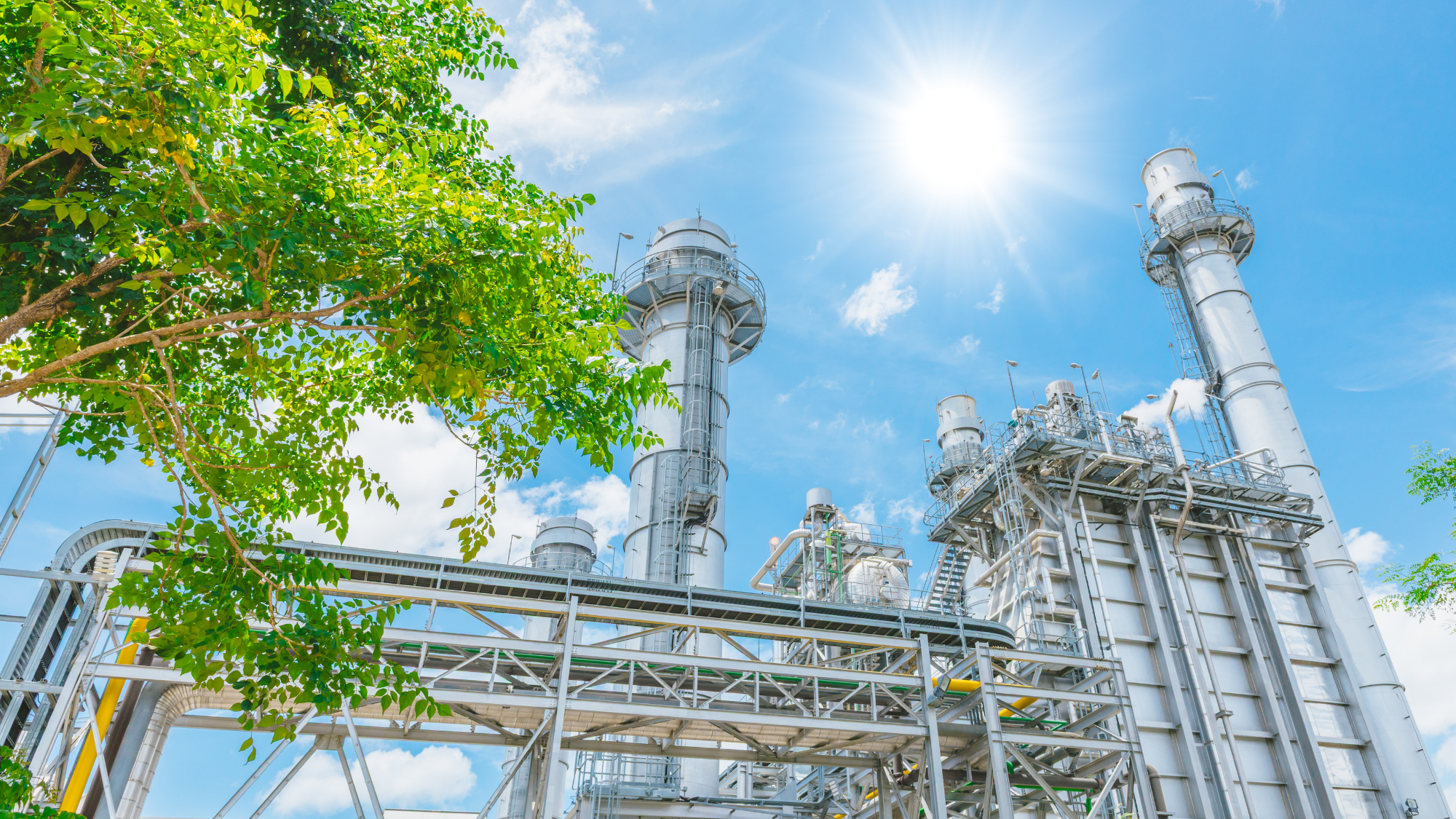
As the cement industry continues to reduce its environmental footprint, improving energy efficiency has become one of the most effective ways manufacturers can lower emissions while strengthening plant performance. Across the industry, companies are investing in smarter processes, modern equipment, and data-driven energy management systems that support both operational excellence and long-term sustainability.
One recent example comes from CalPortland, which announced that six of its facilities have earned recognition through the ENERGY STAR® Challenge for Industry after significantly reducing their energy intensity in less than five years.
The achievement reflects a growing trend within cement manufacturing: environmental stewardship is no longer limited to alternative fuels or lower-carbon cement products. It also includes finding new ways to reduce the amount of energy required to produce every ton of cement.
Why Energy Efficiency Matters
Cement production is one of the most energy-intensive industrial processes in the world. From crushing and grinding raw materials to heating kilns at temperatures exceeding 2,700 degrees Fahrenheit, every stage requires substantial amounts of electricity and thermal energy.
Because of these demands, even modest improvements in efficiency can produce meaningful environmental benefits. Lower energy consumption reduces greenhouse gas emissions, conserves natural resources, decreases operating costs, and helps facilities meet increasingly ambitious sustainability goals.
Rather than focusing on a single improvement, many manufacturers are taking a comprehensive approach by continually evaluating plant operations, upgrading equipment, optimizing production processes, and using real-time monitoring to identify opportunities for additional savings.
Measuring Progress Through the ENERGY STAR Challenge
The ENERGY STAR Challenge for Industry, administered by the U.S. Environmental Protection Agency, encourages industrial facilities to reduce their energy intensity by at least 10 percent within five years. The program recognizes organizations that successfully improve how efficiently they use energy while maintaining or enhancing production performance.
CalPortland exceeded that benchmark at six separate facilities, with several locations reducing energy intensity by well over 20 percent in just two years. The company’s Las Vegas Cement Terminal led the group with a 28.7 percent reduction, while additional ready-mix plants and cement terminals in Nevada, Arizona, California, and Washington also surpassed the program’s performance target.
These results demonstrate how continuous improvement initiatives can produce measurable environmental gains without sacrificing productivity.
Sustainability Starts With Smarter Operations
For today’s cement manufacturers, sustainability extends far beyond regulatory compliance. It involves making operational decisions that improve efficiency throughout the production process while reducing waste and unnecessary energy consumption.
Investments in high-efficiency motors, process automation, predictive maintenance, optimized grinding systems, waste heat recovery, and advanced process controls are helping facilities operate more sustainably than ever before. Continuous monitoring allows operators to identify inefficiencies early, reducing energy losses before they become costly problems.
Many plants are also combining these operational improvements with lower-carbon materials, alternative fuels, renewable energy sources, and carbon reduction technologies as part of broader environmental strategies.
Together, these initiatives are helping reshape the future of cement manufacturing while supporting both economic and environmental objectives.
Building a More Sustainable Industry
As infrastructure demand continues to grow, the cement industry faces the challenge of producing essential construction materials while reducing its environmental impact. Programs such as the ENERGY STAR Challenge highlight how incremental operational improvements can collectively make a significant difference.
Energy efficiency remains one of the most accessible and cost-effective sustainability strategies available to manufacturers. Every reduction in fuel use or electricity consumption helps lower emissions, improve resource conservation, and strengthen the long-term resilience of cement operations.
At ICR Staffing Services, we recognize that sustainability is increasingly becoming part of every industrial career. From plant operators and maintenance technicians to engineers, electricians, and process specialists, today’s workforce plays a critical role in implementing the technologies and best practices that drive cleaner, more efficient manufacturing.
As the cement industry continues to evolve, the combination of innovation, skilled professionals, and a commitment to environmental responsibility will help build a stronger and more sustainable future for the industry.
Share Post