Share Post
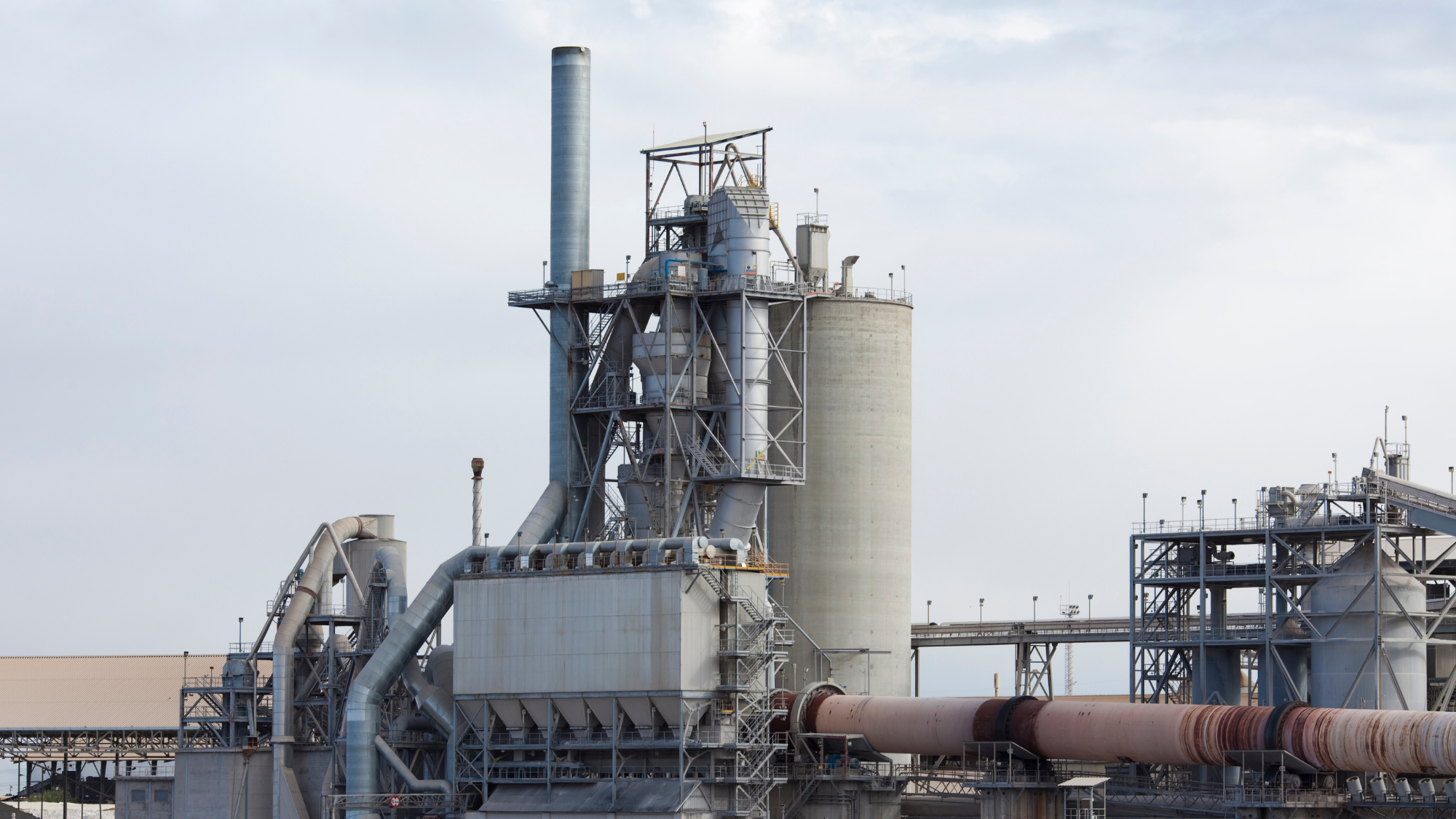
Take a look at the towering structures above a cement kiln, and you’ll notice a series of large cyclone vessels stacked one above another. While they may appear repetitive, each cyclone serves a specific purpose in one of the most important energy-saving systems inside a modern cement plant.
Rather than relying on a single large cyclone, cement manufacturers use a multi-stage preheater system, typically consisting of five or six cyclones, to maximize heat recovery before the raw materials enter the kiln. The result is greater efficiency, lower fuel consumption, improved product quality, and reduced operating costs.
A Step-by-Step Heating Process
Before raw materials are transformed into clinker, they must first be heated to extremely high temperatures. Instead of exposing the raw meal to intense heat all at once, the preheater system gradually raises its temperature as it moves downward through each cyclone.
At the same time, hot exhaust gases generated by the kiln travel upward through the tower. This counter-current flow allows the hottest gases to transfer their heat to progressively cooler raw meal, capturing energy that would otherwise be lost through the exhaust stack.
Because the heat exchange occurs over multiple stages, plants can recover significantly more thermal energy than would be possible with a single cyclone.
Every Cyclone Has a Purpose
Each cyclone in the preheater tower is designed to perform a specific role as the material moves closer to the kiln.
The upper cyclones begin the heating process by separating the coolest raw meal from the exhaust gases. As the material travels through the middle stages, moisture continues to evaporate, temperatures rise, and the raw meal begins undergoing the chemical changes needed before calcination.
By the time the material reaches the bottom cyclone, it has absorbed enough heat to enter the calciner and kiln far more efficiently than if it had been introduced cold.
This staged approach improves temperature control throughout the process while reducing unnecessary fuel use.
Why Not Use One Large Cyclone?
At first glance, it might seem more practical to use one large cyclone instead of several smaller ones. However, a single cyclone would not transfer heat nearly as effectively. By dividing the preheating process into multiple stages, cement plants maximize the contact between rising hot gases and descending raw meal, allowing heat to be exchanged much more efficiently throughout the system.
This improves material separation, maintains more consistent process temperatures, and helps keep the kiln operating steadily. As a result, plants recover more heat from the kiln exhaust, consume less fuel, improve preheating performance, produce higher-quality clinker and cement, and ultimately reduce overall production costs.
One of the Plant's Biggest Energy-Saving Systems
The preheater cyclone tower is much more than a collection of dust separators. It is a carefully engineered system that recycles thermal energy and plays a major role in the overall efficiency of cement production.
As energy costs continue to rise and manufacturers seek to reduce emissions, optimizing preheater performance remains one of the most effective ways to improve plant productivity while lowering operating expenses.
Understanding how each cyclone contributes to the process provides valuable insight into the engineering behind modern cement manufacturing—and demonstrates why multiple cyclones are essential to producing cement safely, efficiently, and economically.
Share Post