Social media can do more than keep you connected with friends. Used strategically, your online and in-person network can help you discover opportunities, connect with employers, and get your name in front of the right people.
Submitting applications is an important part of any job search, but it shouldn’t be the only way you’re looking for your next opportunity. Professional relationships can play an equally important role in helping you learn about openings, meet employers, and get introduced to people working in industries that interest you.
Networking doesn’t mean knowing executives or having hundreds of professional contacts. Your network is probably much larger than you realize, and social media makes it easier than ever to put those connections to work.
Start With the People You Already Know
Many job seekers assume they need to build a professional network from scratch. In reality, you already have one.
Former coworkers and supervisors are obvious connections, but don’t overlook friends, relatives, neighbors, classmates, instructors, teammates, and people you’ve met through community organizations. Even someone you haven’t spoken with recently may know an employer that’s hiring or be able to introduce you to someone in your desired industry.
Start by reconnecting with people you already know. Let them know what type of work you’re interested in and the skills or experience you can offer. The more specific you are, the easier it is for someone to recognize an opportunity that could be a good match.
Make Your Social Media Work for Your Career
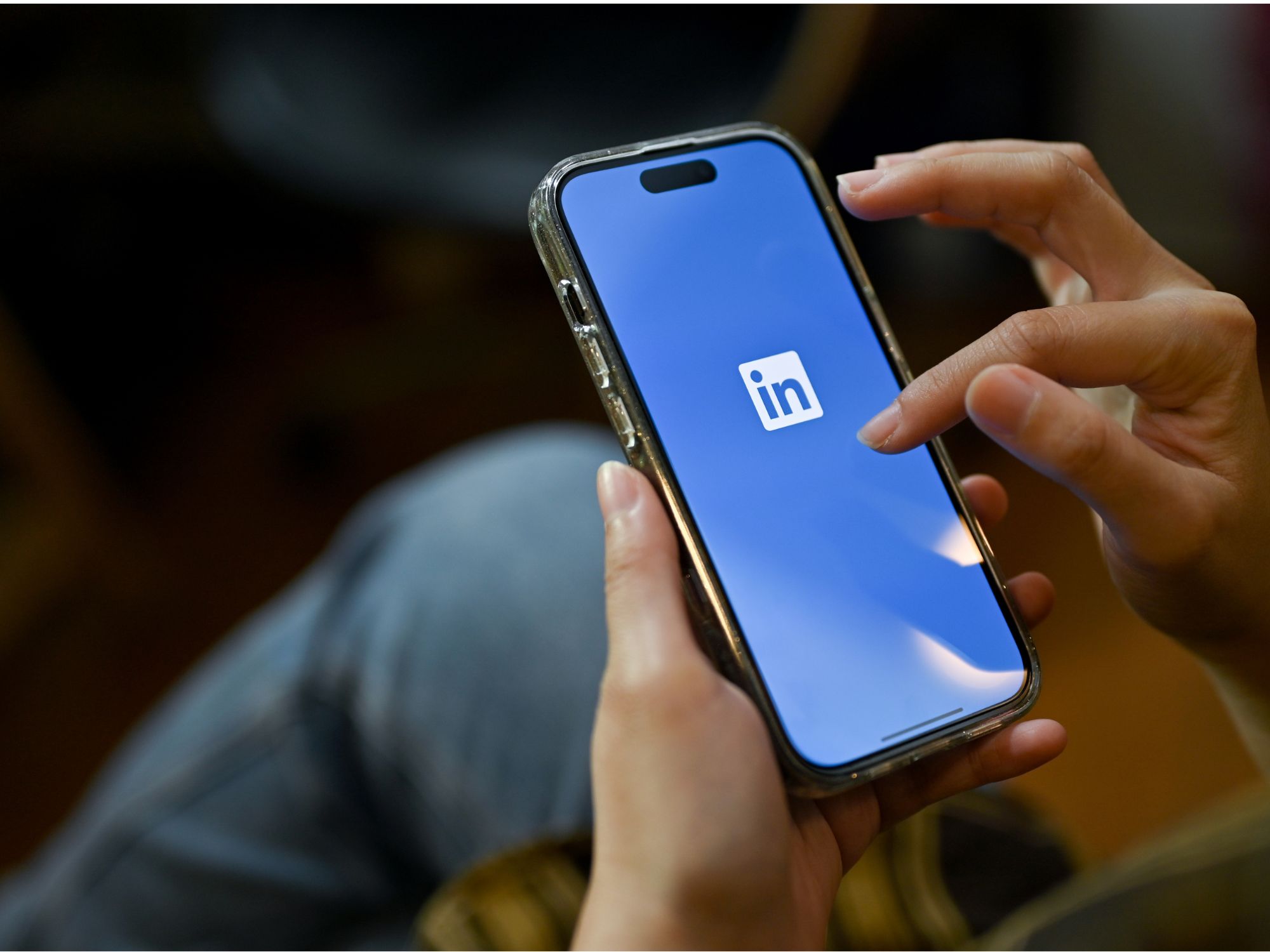
Platforms such as LinkedIn, Facebook, Instagram, and other online communities can significantly expand the number of people and employers within your reach.
Simply having an account, however, isn’t the same as networking.
Follow companies where you would consider working. Connect with former colleagues, recruiters, industry professionals, trade schools, workforce organizations, and people you’ve met professionally. Engage with posts related to your field and keep an eye on companies announcing expansions, projects, career fairs, or hiring needs.
LinkedIn can be particularly useful for maintaining professional relationships, showcasing your work history, and connecting with recruiters. Facebook groups and local community pages can also be valuable for finding nearby job openings, hiring events, and employer announcements.
Whatever platform you use, make sure your profile represents you professionally. Employers may look at your online presence before deciding whether to move forward with an interview.
Don’t Only Reach Out When You Need Something
Effective networking is about relationships, not asking everyone you know for a job.
Stay connected with people over time. Congratulate former coworkers when they advance in their careers. Share useful industry information. Recommend someone you’ve enjoyed working with. Check in occasionally with professional contacts.
Supporting other people in your network makes those relationships more genuine. Then, when you’re ready to make a career move, you’re not contacting someone for the first time in years solely because you need their help.
Let People Know You’re Looking
Your network can’t help you find opportunities if nobody knows you’re interested in making a move.
You don’t need to post “I need a job” everywhere. Instead, communicate what you’re looking for professionally. You might mention that you’re interested in advancing your career in industrial maintenance, looking for an opportunity to use your welding experience, or hoping to transition into mining or manufacturing.
This gives your connections something specific to remember.
It also helps to make your qualifications visible. Certifications, licenses, equipment experience, specialized training, accomplishments, and new skills can all help potential employers understand what you bring to the table.
Take Networking Offline
Digital networking is valuable, but face-to-face conversations still matter.
Career fairs, hiring events, trade shows, training programs, industry meetings, and community events give job seekers opportunities to meet recruiters and employers directly.
When attending these events, don’t focus solely on handing out resumes. Ask questions. Learn about the organization. Introduce yourself to other attendees. Find out what qualifications employers value and what career paths exist within their operations.
A conversation that doesn’t lead to a job today could create a connection that leads to one months from now.
Follow Up and Stay Connected
Meeting someone is only the beginning.
If you speak with a recruiter at a career fair, connect afterward. If someone recommends that you apply for a position, thank them and let them know you’ve submitted your application. If you meet an industry professional who offers advice, stay in touch.
Small follow-ups can turn brief interactions into lasting professional relationships.
Networking is rarely about one conversation immediately producing a job offer. It’s about steadily expanding the number of people who know who you are, what you can do, and where you want your career to go.
Your Next Opportunity May Start With a Conversation
A successful job search should include more than scrolling through job boards. Applications help employers find candidates, but relationships can help candidates discover opportunities they might otherwise never encounter.
Build your network before you need it. Maintain a professional online presence, connect with people in your industry, attend local career events, and don’t be afraid to tell others what you’re working toward.
At ICR Staffing Services, we help connect job seekers with opportunities across mining, cement, manufacturing, construction, logistics, administrative, and other industries. Whether you’re actively searching or thinking about your next career move, expanding your professional network can put more opportunities within reach.
Sometimes your next career move begins with a simple introduction.